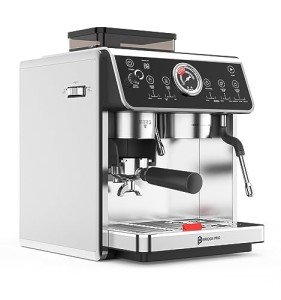
Home Use Espresso Machines: A Comprehensive Guide
Espresso machines have ended up being a staple in lots of families as coffee lovers seek to replicate café-quality brews in the convenience of their cooking areas. The increase in popularity has caused a diverse market filled with numerous models, functions, and costs. This article intends to provide a helpful introduction of home use espresso machines, assisting readers browse their options efficiently.
Understanding Espresso Machines
Espresso machines work by forcing warm water through finely-ground coffee under high pressure, leading to a concentrated coffee beverage called espresso. There are a number of types of espresso machines categorized based on their brewing methods and level of automation. The most typical types include:
- Manual Espresso Machines: These need the user to control the pressure and water circulation, enabling a more hands-on coffee-making experience.
- Semi-Automatic Espresso Machines: These provide automatic control over water pressure, while the user manually grinds and tamps the coffee.
- Automatic Espresso Machines: With the push of a button, these machines automatically control the flow of water, making it much easier to brew espresso with constant results.
- Super-Automatic Espresso Machines: These all-in-one machines manage grinding, tampering, developing, and even milk frothing, making them ideal for users searching for benefit.
- Capsule or Pod Machines: These use pre-packaged coffee pods to develop espresso with minimal effort, but they limit choice in developing strategies and flavors.
Table: Comparison of Espresso Machine Types
| Type | Control Level | Ease of Use | Cleaning up Level | Ideal For |
|---|---|---|---|---|
| Manual | User-controlled | Moderate | High | Coffee purists |
| Semi-Automatic | Partial automation | Moderate | Moderate | Home baristas |
| Automatic | Completely automated | Easy | Low | Busy individuals |
| Super-Automatic | Totally automated | Really easy | Very low | Convenience applicants |
| Capsule/Pod | Totally automated | Really simple | Really low | Casual drinkers |
Key Features to Consider
When selecting a home use espresso machine, it's important to think about numerous features that can significantly impact the quality of espresso and user experience.
- Pressure: Look for machines that provide a minimum of 9 bars of pressure, as this is thought about ideal for brewing espresso.
- Boiler Systems: Single vs. dual boiler systems figure out temperature level stability and the ability to brew espresso and steam milk all at once.
- Grinder: Integrated grinders enable freshly ground coffee, which enhances taste. Think about machines with adjustable grind settings.
- Milk Frother: For those who take pleasure in cappuccinos and lattes, an integrated steam wand or automatic frother is essential.
- Size and Design: Consider your kitchen area and visual choices. Machines can be found in various sizes, from compact to big setups.
- Cost: Home espresso machines can vary from a few hundred to a number of thousand dollars, so it's essential to develop a budget before exploring options.
Advantages and disadvantages of Home Use Espresso Machines
| Pros | Cons |
|---|---|
| Benefit of developing coffee in your home | Initial investment can be high |
| Quality of espresso is frequently remarkable | Needs some skill, especially with manual machines |
| Ability to explore flavors | Maintenance and cleansing can be labor-intensive |
| Can conserve money in the long run | Not all machines will match every coffee choice |
Maintenance and Cleaning Tips
Maintaining an espresso machine is important for prolonging its life and guaranteeing constant brew quality. Here are some helpful suggestions:
- Regular Descaling: Minerals from water can construct up in the machine. Descale every 1-3 months, depending upon water firmness.
- Daily Cleaning: Rinse portafilters, baskets, and steam wands after each use to prevent coffee oils from constructing residue.
- Use Filtered Water: This can help in reducing mineral buildup and improve the taste of coffee.
- Change Gaskets and Seals: These parts may wear out over time and must be changed to preserve pressure and performance.
- Read the Manual: Each machine has particular care instructions; following these will ensure durability.
Frequently Asked Questions About Home Use Espresso Machines
Q1: What is the very best budget espresso machine?The best budget espresso machine often depends on private needs, but designs like the DeLonghi EC155 or the Breville Bambino are popular among users for offering excellent value. Q2: How long do home espresso machines typically last?With appropriate upkeep, home espresso machines can last anywhere from 5 to 15 years, depending on the quality of the machine and frequency of use. Q3: Can I make coffees and lattes with any espresso machine?While most espresso machines can make coffees and lattes, having a trusted
steam wand or frother is important for achieving the right milk texture.
Q4: Are super-automatic machines worth the investment?For those who prioritize convenience and quick brewing, super-automatic machines can be worth the investment, though they may lack some customizability in brew strength and taste. Q5: What kinds of coffee beans are best for espresso?While personal choice plays a role, beans identified as" espresso "blends are generally roasted darker, producing abundant tastes and a velvety texture when brewed.
Purchasing a home espresso machine can transform the everyday coffee regimen into something unique, elevating home brews to café quality. By comprehending the various kinds of machines, crucial features to consider, maintenance requirements, and weighing the
pros and cons, consumers can make educated decisions that match their specific preferences. As Espresso Machines Under £200 continues to grow, no matter the option, every brew can be a scrumptious experience waiting to be savored.